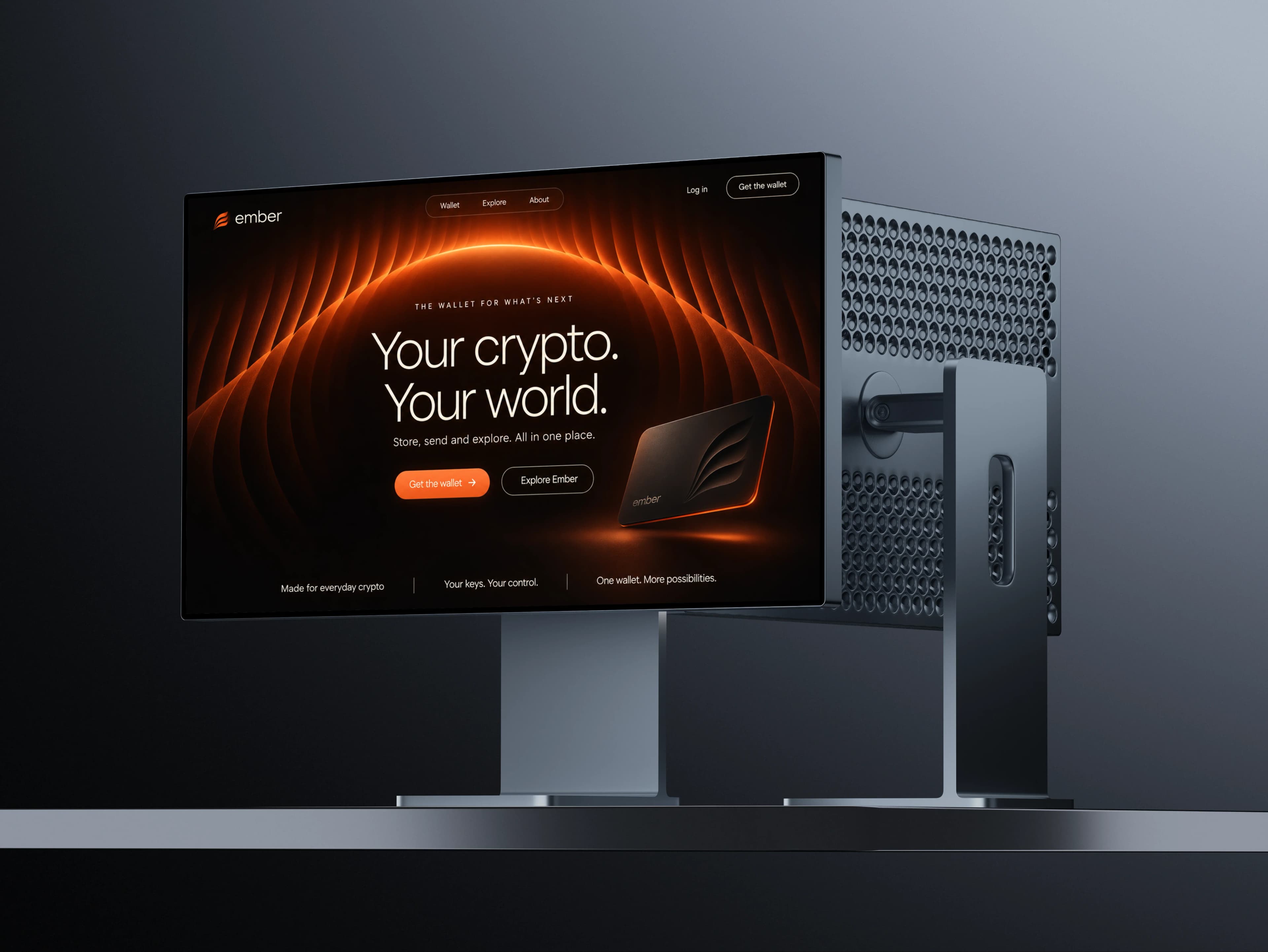


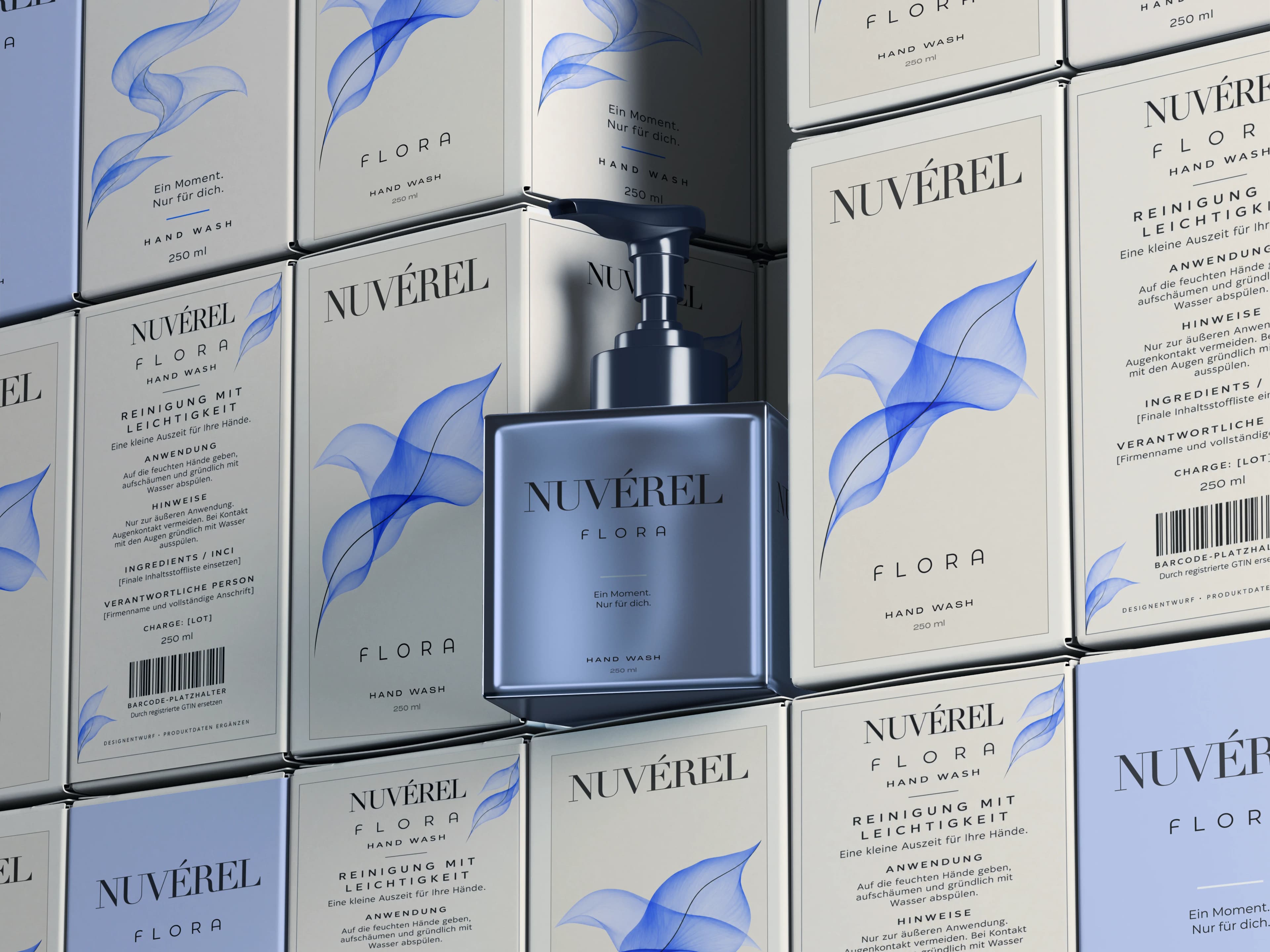
A logo can look great and still do nothing. Branding starts earlier, with perception. People don't just remember shapes. They remember feelings, promises and whether you seem reliable. The logo is the anchor; the brand is what hangs on it.
First impressions decide
Before anyone understands your offer, they already have a feeling about it: Does this match the price I expect? Does the team seem professional? Does it sound credible? Branding shapes those signals through type, imagery, spacing and language. Long before anyone compares features.
A system that works together
A logo without rules looks slightly different everywhere. A brand system defines how logo, wordmark, color and type work together: on dark backgrounds, as a tiny favicon, in motion or cropped for social. That saves time and keeps you recognizable.
- Visual: colors, type, imagery, grid
- Language: claims, tone, no-gos, microcopy
- Experience: website flow, onboarding, support tone
- Day to day: files, owners, approvals
What everyone sees
What carries the brand
- VisualColors, type, imagery, grid
- LanguageClaims, tone, no-gos
- ExperienceWebsite, onboarding, support
- Day to dayFiles, owners, approvals
If only the logo is consistent, everything else looks accidental. And accidental rarely looks premium.
What this means for your business
A clear brand makes sales conversations shorter. Prices are easier to explain because the value is easier to see. Hiring gets easier because people can see your culture. And marketing gets more efficient because no campaign starts from zero.
A quick test
Put your logo, homepage and one email side by side. Now imagine the company name gone. Would someone still know it's all you? If not, you have pieces, but not an identity yet. Branding is what makes you recognizable without a name tag.
Your brand is in every touchpoint
People see your logo, but it rarely decides anything. Clients experience your brand through the search result, how fast you reply, how your proposal is built, the wording in your contact form and how it feels after they buy. When those moments don't fit together, a new logo won't fix it.
- Search resultHow you're found
- First replyHow fast you respond
- ProposalHow clear it is
- Contact formHow you sound
- After the purchaseHow it feels
A simple brand check
- Collect screenshots of your most important touchpoints
- Put promise, tone, colors and proof side by side
- Sort contradictions by how often they show up and how much they hurt
- Share a small set of rules with real examples
A test with people outside the team is really useful. Show them your website, proposal and social profile without explaining anything and ask: What does this company offer, for whom, and why does it seem credible? The answers show you whether your brand actually gives people orientation.
What good brand work changes in the business
A clear brand won't end every price comparison. But it leads to better decisions: prospects see faster whether your offer fits, remember you more easily and get the same expectation everywhere. That helps sales and hiring as much as marketing. You can tell it's working by how often people search for your name directly, how many proposals get accepted and how quickly good inquiries come in.
The logo is the sender. The brand is the promise that holds up at every touchpoint.